Are Siberian Cats Hypoallergenic? Truth or Myth
Published on: June 13, 2026

Written By
Ella Freya

Reviewed By
Jason Roy
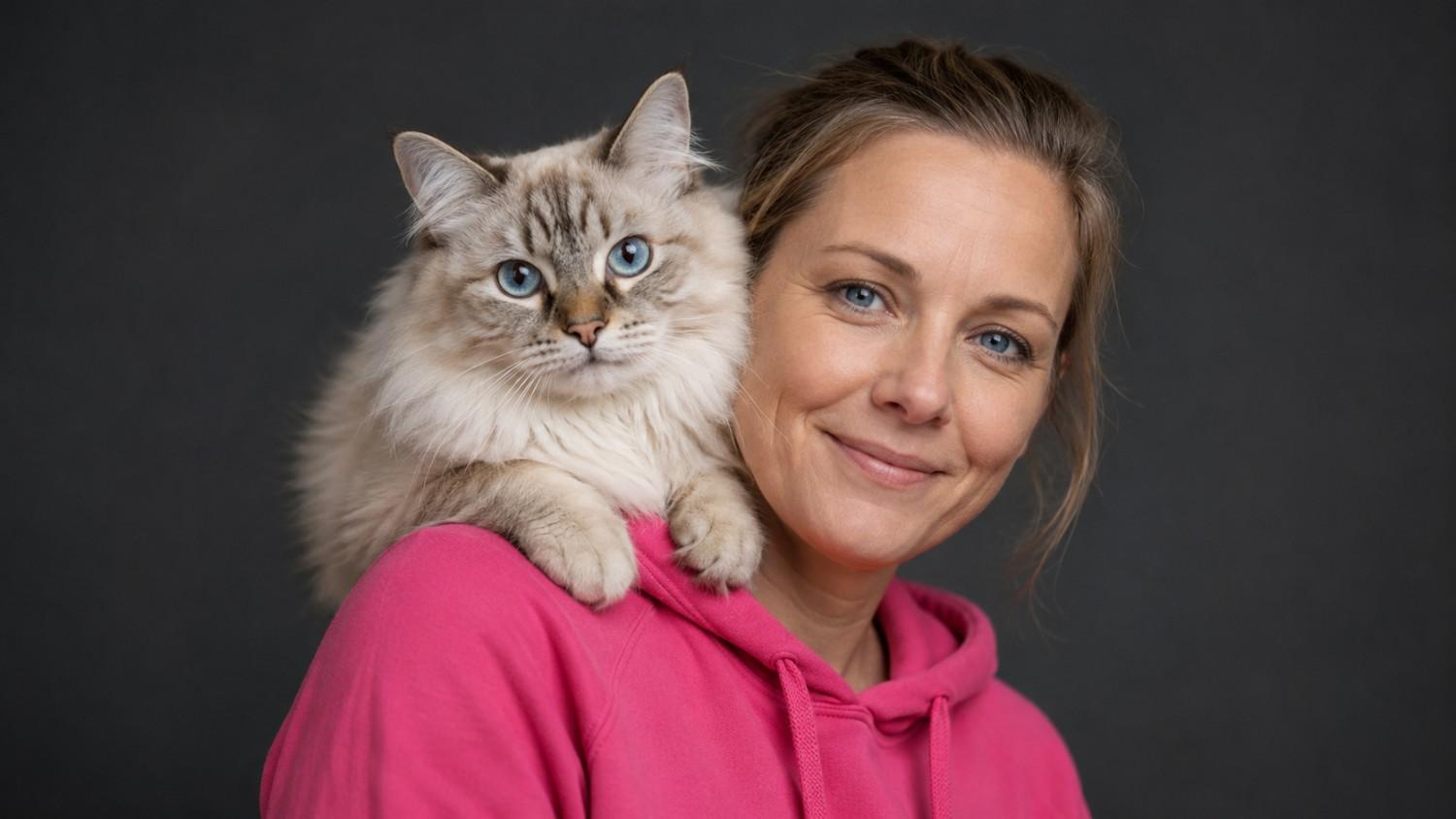
If you love cats but sneeze every time one comes close, you have probably heard that Siberian cats are different. Many people call them hypoallergenic and say allergy sufferers can finally own a cat without the watery eyes and runny nose. But is that true, or is it just a hopeful story passed around online?
Siberian cats are often described as hypoallergenic, but no cat is truly allergy-free. Siberian cats tend to produce lower levels of the main cat allergen, which means many allergy sufferers react less to them than to other breeds. Still, results vary a lot from cat to cat, so a Siberian may work beautifully for one person and cause problems for another.
What Does “Hypoallergenic” Really Mean?
The word hypoallergenic sounds reassuring, but it is widely misunderstood. It does not mean a cat causes zero allergic reactions. It simply means the cat is less likely to trigger one.
According to PetMD, no cat breed is completely hypoallergenic. Some breeds are just easier for allergy sufferers to live with because they release fewer allergens into the home. So when you see a Siberian called hypoallergenic, think “lower allergen,” not “allergen-free.”
This difference matters. People who expect a Siberian to cause no reaction at all often feel let down. People who go in with realistic expectations are usually much happier.
What Causes Cat Allergies? Meet Fel d 1
Here’s a surprise for many pet owners: cat allergies are not caused by fur. They are caused by a tiny protein called Fel d 1.
Cats produce Fel d 1 in their saliva, skin oils, and other glands. When a cat grooms itself, the protein spreads onto the fur and skin. From there it dries, flakes off as dander, and floats into the air, landing on furniture, carpets, and clothing. That is what your immune system reacts to.
This is why even short-haired and hairless cats can still trigger allergies. The fur itself is not the problem; it is the protein riding along on the dander. It also explains why a long-haired Siberian can sometimes be easier to tolerate than a sleek, short-coated cat.
One more useful detail: Fel d 1 is very stable and can linger in a home for months, even after a cat is no longer there. That is why managing your environment matters so much, which we will cover later.
So, Are Siberian Cats Hypoallergenic?
The honest answer is: not exactly, but they may be one of the better choices for people with cat allergies.
Siberian cats are well known for producing lower levels of Fel d 1 than most other breeds. Many allergy sufferers find they can share their home with a Siberian and have mild reactions, or sometimes none at all. For people who thought they could never own a cat, that can feel like a small miracle.
But the key word is variation. Fel d 1 levels differ from one Siberian to the next, and even kittens from the same litter can produce very different amounts. Breeder testing data suggests that only a portion of Siberian cats produce genuinely low levels, and a smaller group is suitable for people with severe allergies. In other words, a Siberian gives you better odds, not a guarantee.
This is why responsible breeders almost always encourage you to meet the specific cat before committing. The breed is a helpful starting point, but the individual cat is what actually matters for your reaction.
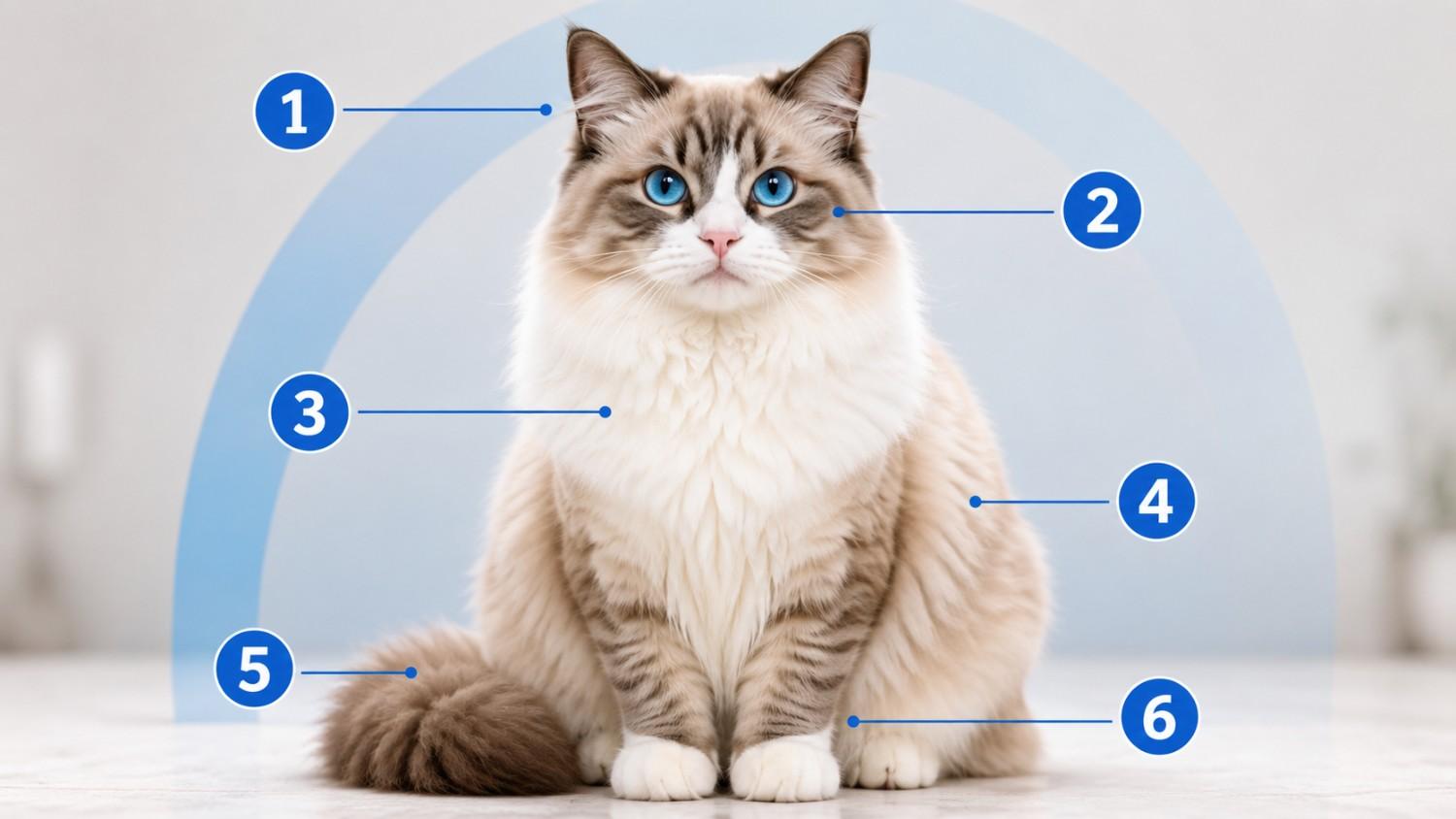
Why Siberian Cats May Produce Less Fel d 1
So why do Siberian cats have this reputation in the first place? The answer comes down to genetics.
Research has found that some Siberian cats carry genetic variants linked to lower Fel d 1 production. A study of Siberians from the breed’s native region in Russia reported that they produced less Fel d 1 than non-Siberian cats. Wikipedia, citing that research, notes that the Siberian is often called hypoallergenic for exactly this reason.
It is worth knowing where a lot of the specific numbers come from. Many of the detailed figures you see online, such as the share of Siberian cats with “low” levels, come from breeder testing programs rather than large veterinary studies. That does not make them worthless, but it does mean you should treat exact percentages with some caution. The broad picture is well supported: Siberian cats, on average, tend to produce less Fel d 1. The precise amount in any single cat is harder to predict without testing.
When Siberian Cats Produce More Allergens
Even a low-allergen Siberian is not low-allergen all the time. Fel d 1 production can rise at certain stages of life and during certain seasons. Knowing these patterns helps you plan ahead.
| Situation | What may happen |
| Kittens | Kittens often secrete more Fel d 1 than adults, since the protein plays a role in early development. A kitten’s reaction level is not always a reliable preview of the adult cat. |
| Pregnant or nursing females | Females may produce higher allergen levels during late pregnancy and early nursing. |
| Intact (un-neutered) males | Un-neutered males tend to produce the most Fel d 1 of all. Spaying or neutering may help lower allergen levels. |
| Shedding seasons | Siberian cats have a thick triple coat and shed heavily in spring and fall, releasing more allergen-coated dander into the home. |
None of this means a Siberian is a bad choice. It simply means your symptoms may not stay perfectly steady, and that grooming and home care become more important at certain times of the year.
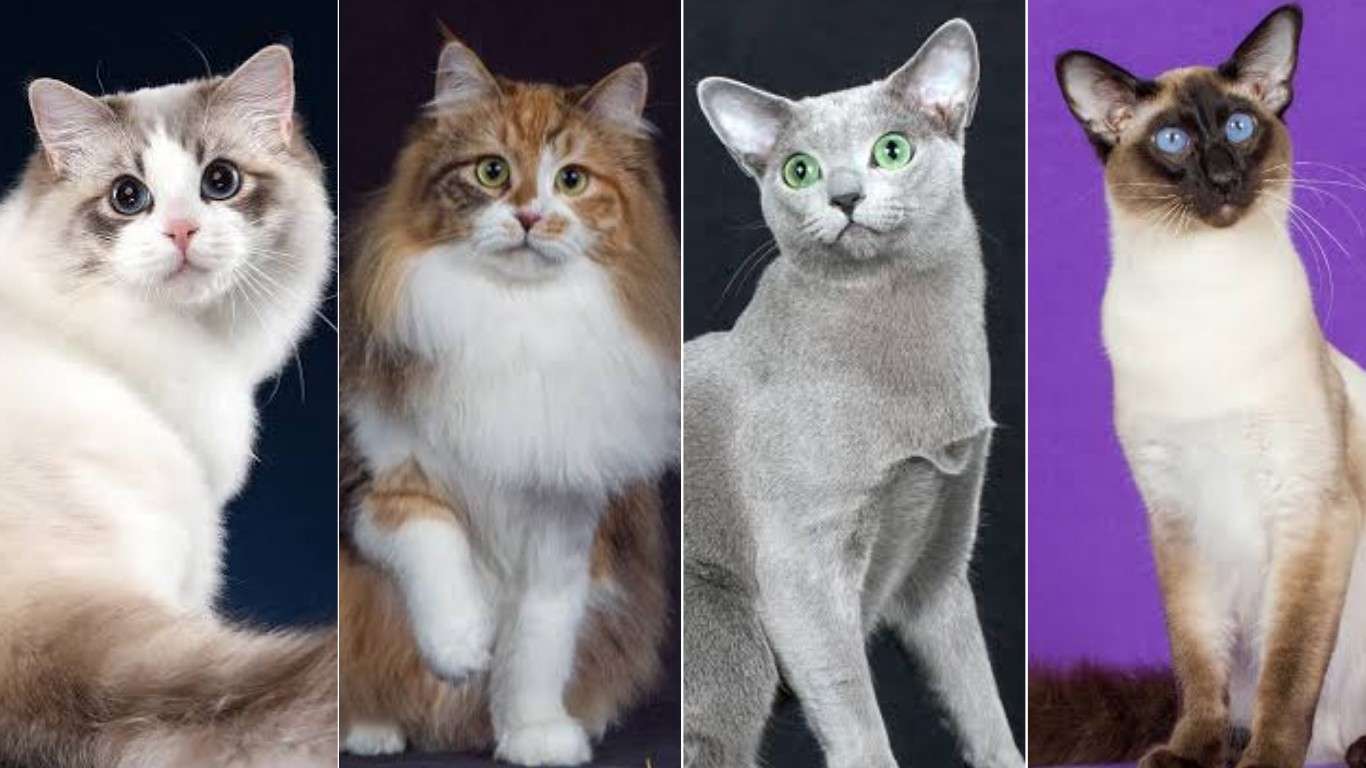
Siberian Cats vs Other Low-Allergen Breeds
Siberian cats are not the only cats with a gentler reputation for allergy sufferers. A few others come up often:
- Balinese: Like the Siberian, the Balinese is known to produce less Fel d 1, which makes it another popular pick.
- Russian Blue: Often mentioned for lower allergen levels and modest shedding.
- Devon Rex and Cornish Rex: Their unusual coats mean less shedding, which can help reduce how much dander spreads.
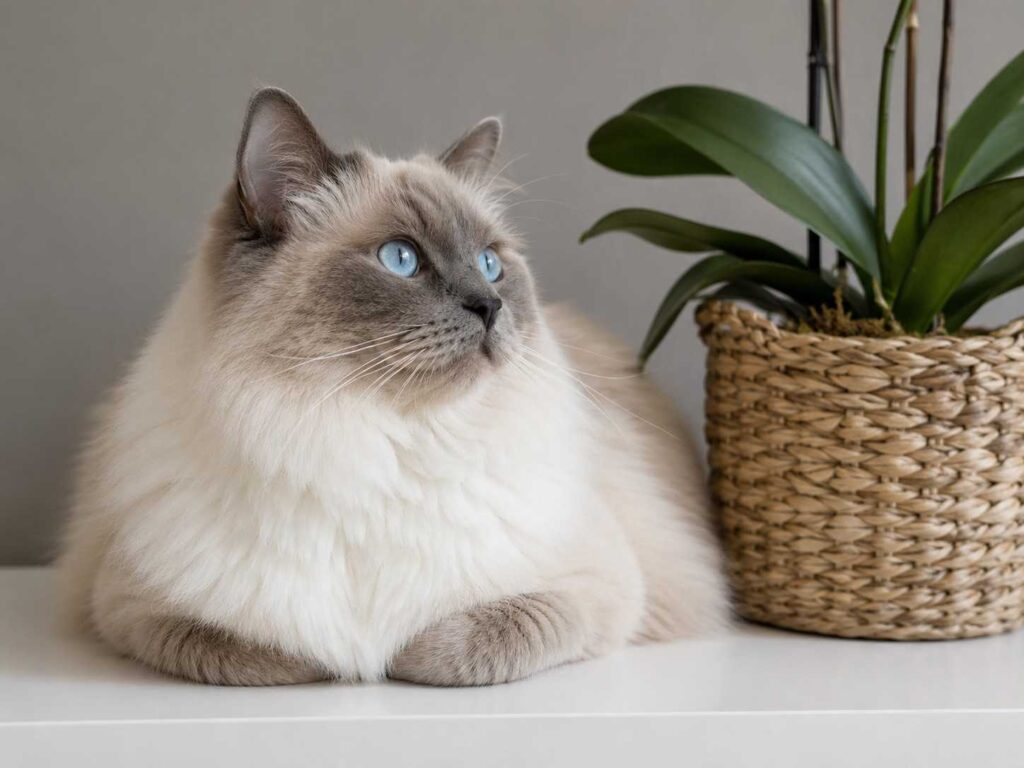
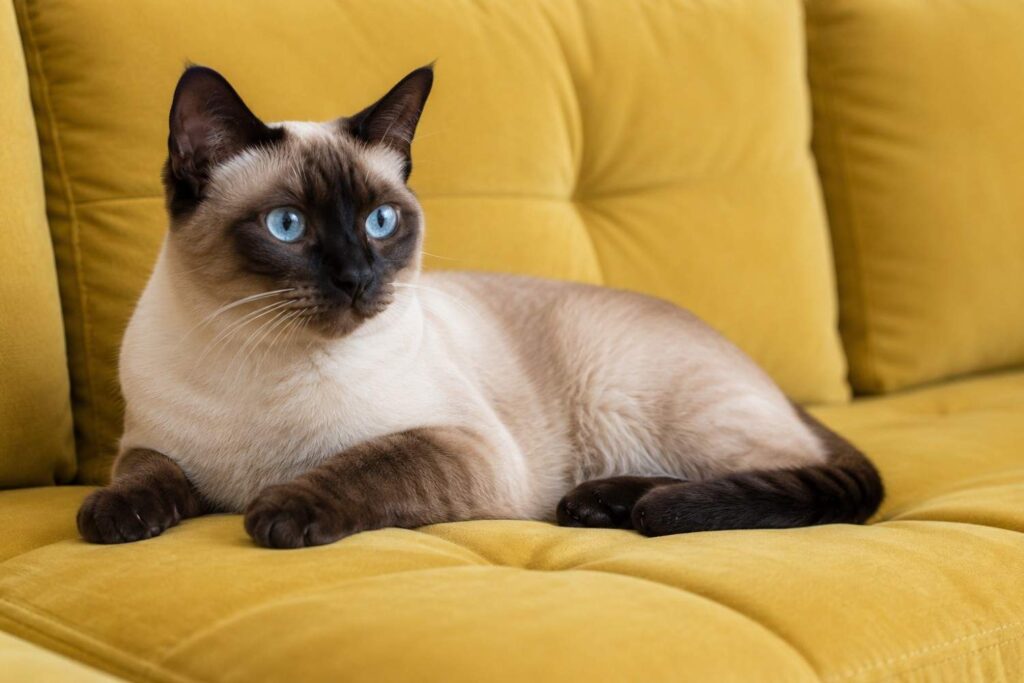
It also helps to know which popular breeds are not considered hypoallergenic, so you are not caught off guard. If you are weighing your options, you may find our guide on whether Ragdoll cats are hypoallergenic useful, along with our breakdown of Siamese cats and allergies. Reading a few comparisons side by side can make your decision much clearer.
The takeaway is simple: breed gives you a starting point, but your personal reaction to a specific cat is always the deciding factor.
How to Live Comfortably With a Siberian Cat if You Have Allergies
Choosing a lower-allergen breed is only half the picture. How you prepare and manage your home makes a real difference. Here is what tends to help most.
Before You Adopt
The single most important step is to spend time with the actual cat you are considering, not just the breed in general. Visit the breeder or the cat’s home, sit with the cat, and pay close attention to how your body responds over a couple of hours rather than a few minutes.
If your allergies are moderate or severe, it is a good idea to talk to an allergist first. They can help you understand your sensitivity and what to watch for. Asking the breeder whether they test their cats for Fel d 1 levels can also help you make a more informed choice.
Grooming and Coat Care
Regular, gentle grooming removes loose hair and dander before it spreads through your home. Brushing a Siberian once or twice a week usually keeps the coat in good shape, and you can increase that during shedding season.
Be careful not to overdo it. Harsh brushing or over-bathing can irritate the skin, which is not helpful. If you are the allergic person in the household, it often helps to have someone else handle grooming, or to wear gloves and wash up afterward.
Home and Air Management
Your environment may matter just as much as the cat itself. A few changes can lower the allergen load:
- Use a vacuum with a HEPA filter and clean floors and furniture often.
- Run a HEPA air purifier in the rooms where you spend the most time.
- Wash bedding, blankets, and soft covers regularly in hot water.
- Keep the cat out of your bedroom so you have at least one low-allergen space.
- Choose easy-to-clean surfaces, such as hard floors and washable covers, over heavy fabrics that trap dander.
Litter boxes can also hold allergens, so consider a dust-free, unscented litter and have someone else clean the box when possible.
Diet and Skin Health
A healthy coat sheds less and produces less flaky dander, so good nutrition supports your allergy management too. Food rich in quality protein and healthy fats, such as omega-3 fatty acids, can help keep your cat’s skin and coat in good condition.
If you want to go a step further, our guide on hypoallergenic cat food explains how diet choices can support a sensitive household. Pairing good food with regular grooming gives you the best chance of keeping symptoms low.
When to Talk to a Doctor or Veterinarian
If you are unsure whether a cat is right for your health, speak with your doctor or an allergist before adopting. This is especially important if you have asthma or a history of strong allergic reactions, since a professional can give advice based on your individual situation.
On the pet side, your veterinarian is the best person to ask about your cat’s overall health, skin condition, and grooming needs. If your Siberian’s coat looks dull, flaky, or is shedding far more than usual, it is worth a checkup, since skin health affects both your cat’s comfort and how much dander ends up in your home.
Conclusion
So, are Siberian cats hypoallergenic? The truth sits somewhere between the myth and the marketing. Siberian cats are not allergen-free, but many of them produce less Fel d 1, which gives allergy sufferers a genuinely better chance of living happily with a cat. The breed improves your odds, your individual cat decides the outcome, and your home care does the rest.
If you go in with realistic expectations, spend time with the cat first, and prepare your home, a Siberian could turn out to be the affectionate, playful companion you have been hoping for.
For more honest, practical pet advice, explore our other guides on SnuggyPets, and bookmark the site so you always have trustworthy answers when you need them.
Ella Freya
Ella Freya is a passionate pet writer focused on helping pet parents create healthier, happier lives for their furry companions. Her work combines caring storytelling with practical pet advice that feels easy to understand and genuinely useful.
Ella creates content around pet wellness, behavior, nutrition, and everyday care, always with the goal of making life better for both pets and the people who love them. She believes the smallest moments with pets often become the most meaningful ones.